Full Brake Services in Minneapolis
When Your Brakes Feel Different, Do Not Ignore It
Minneapolis driving can put your vehicle through a lot.
Winter brings snow, ice, moisture, and road treatment materials. Spring brings potholes and changing pavement conditions.
Your brakes have their own story.Maybe you hear a squeak when stopping. Perhaps the brake pedal feels softer than before. Your steering wheel might shake during braking. Maybe the vehicle pulls to one side.
Here’s the thing, though. Brake problems don’t always start with dramatic failure.
Sometimes the warning is small.
A strange sound. A different pedal feel. A vibration you can’t explain.
Look, we get it. Nobody wants another repair bill. But delaying brake service can create bigger problems.
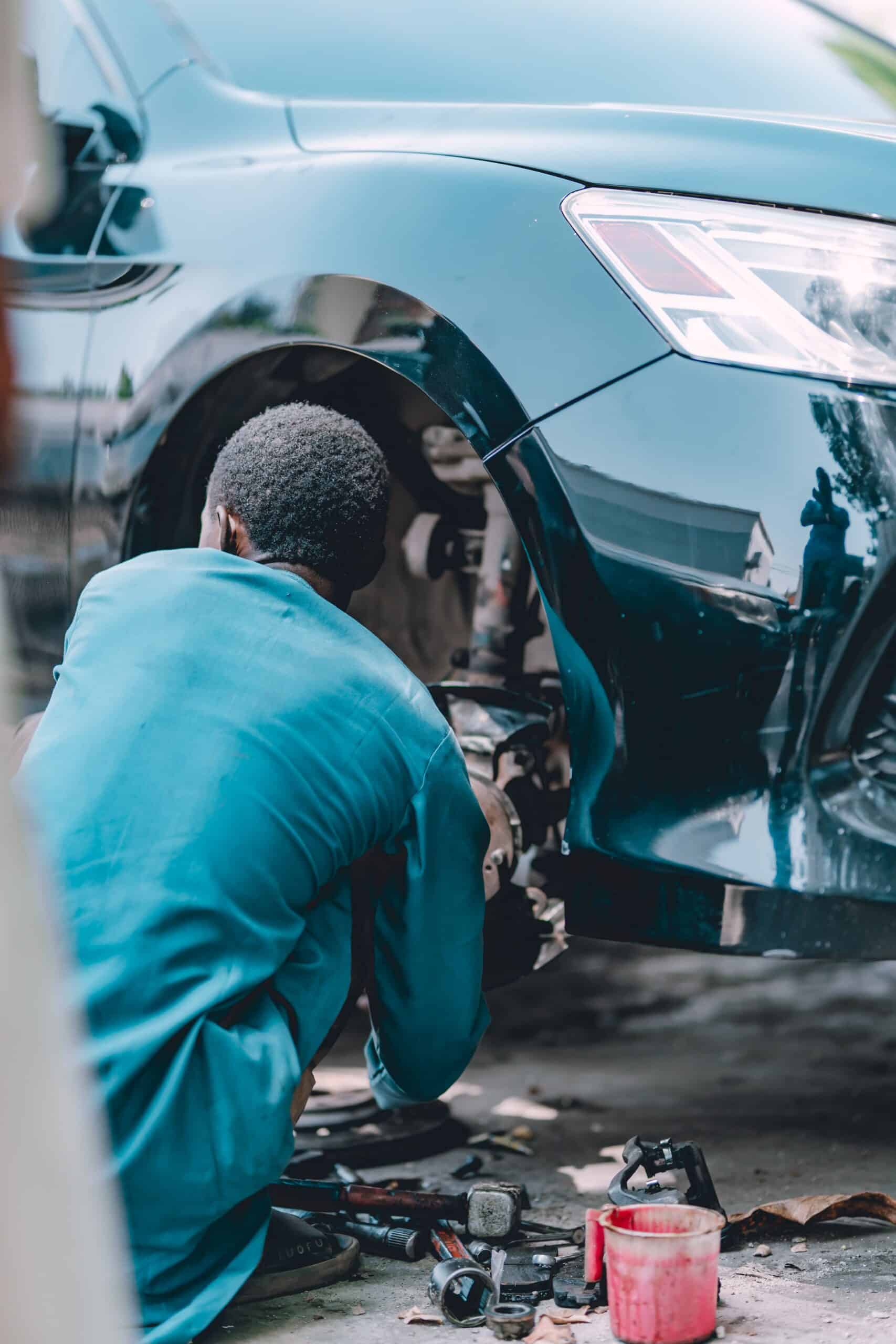
NorthSide Garage provides full brake services in Minneapolis.
2001
SERVING MINNEAPOLIS SINCE
What Does Full Brake Service Include?
Full brake service is more than replacing brake pads.
Your vehicle may use disc brakes, drum brakes, or a combination. The exact setup depends on the vehicle.
A complete braking system can include brake pads, shoes, rotors, drums, calipers, wheel cylinders, brake lines, hoses, fluid, and hydraulic components.
Electronic systems can also play a role.
That is why one worn component does not always explain the entire problem.
NorthSide Garage lists inspection of several major brake components as part of its brake service offering. That includes linings, rotors, drums, calipers, wheel cylinders, brake hardware, hoses, lines, and the master cylinder.
Diagnosis First
How to Know When Your Brakes Need to Be Replaced
Brake problems rarely improve on their own. Watch for changes in pedal feel, stopping distance, sounds, vibration, or warning lights. Minneapolis winter driving, road salt, and potholes can add extra stress.
Squealing or Grinding Sounds
Persistent squealing can indicate worn brake components, while grinding may mean friction material has become severely worn. Have the brakes inspected promptly before additional damage occurs.
Brake Pedal Feels Soft
A brake pedal that feels unusually soft, spongy, or lower than normal needs attention. Hydraulic problems, air, leaks, or worn components can affect braking performance.
Vehicle Takes Longer to Stop
If your vehicle needs noticeably more distance to stop, do not ignore it. Worn pads, damaged rotors, tire problems, or hydraulic issues could contribute.
Steering Wheel Vibrates
A steering wheel that shakes during braking can indicate uneven rotor surfaces or related front-end problems. Minneapolis potholes can also affect wheels, tires, and suspension components.
Brake Warning Light Appears
A brake or ABS warning light deserves attention. The light can indicate different problems, so proper inspection and diagnostic testing should determine the underlying cause.
Brake Pads Look Thin
Visible brake pads with little friction material remaining may need replacement soon. A technician can measure pad thickness and inspect the rotors before recommending service.
Vehicle Pulls While Braking
If the vehicle pulls left or right when braking, have it inspected. Uneven braking, seized components, tire problems, or suspension issues may cause this behavior.
Burning Smell After Braking
A sharp burning odor after braking can signal excessive heat. A sticking caliper, overheated brakes, or driving conditions may require immediate inspection before further damage develops.
Minneapolis Winter Brake Concerns
Minneapolis roads experience freezing temperatures, snow, and road salt. The city notes that salt can accelerate rust on vehicles, making regular brake and underbody inspections especially worthwhile.
Potholes Can Affect Braking
Minneapolis explains that freeze-thaw cycles create potholes throughout the city. Hard impacts can affect wheels, tires, steering, and suspension, potentially changing how a vehicle behaves while braking.
When to Schedule a Brake Inspection
Do not wait for severe symptoms before checking your brakes. If stopping feels different, warning lights appear, or unusual noises develop, schedule an inspection promptly to identify the cause.
Why Professional Inspection Matters
Brake replacement depends on actual wear and component condition, not simply mileage. A technician should inspect pads, rotors, calipers, hardware, fluid, and related systems before recommending necessary repairs.
Full Brake Services We Can Help With
Our Full Brake Services can include:
✓ Brake Pad Replacement
✓ Brake Rotor Replacement
✓ Brake Caliper Service
✓ Brake Fluid Service
✓ Brake System Inspection
✓ ABS Diagnostics
✓ Brake Line Inspection
✓ Brake Hose Inspection
✓ Brake Hardware Replacement
✓ Electronic Brake Service
✓ Parking Brake Service
✓ Brake Noise Diagnosis
✓ Brake Vibration Diagnosis
The Basics
What are signs that you might need brake service?
Think of the transmission as the part that manages how engine power reaches the wheels.
Your engine produces power. The transmission uses different gear ratios to help the vehicle move from a stop, accelerate, cruise, and handle changing driving conditions.
Modern vehicles can use different transmission designs.
Automatic transmissions shift gears without direct driver input. Manual transmissions require the driver to operate the clutch and gear selector. Continuously variable transmissions use a different design to provide changing ratios rather than traditional fixed gears.
Each system has its own service requirements.
That means transmission fluid is not a universal one-size-fits-all situation. Fluid type and service recommendations vary by vehicle and transmission. Manufacturer guidance should be checked for the specific vehicle.
This is one reason we are careful about generic maintenance advice. What works for one vehicle may be wrong for another.
Warning Signs
Common Signs Your Full Brake Services Needs Attention
You do not need to be a mechanic to notice that something feels different. Watch for symptoms such as:
! Persistent Brake Squealing
! Grinding Brake Noise
! Soft Brake Pedal
! Shuddering during acceleration
! Unusual transmission noises
! Fluid leaking underneath the vehicle
! Burning smells
! Unexpected gear changes
! A transmission warning message
! A check engine light with shifting problems
! A vehicle that refuses to move
What We Do
Our Services
01
Brake Pad Replacement
We replace worn brake pads with properly matched components, inspect related parts, and ensure your braking system delivers consistent stopping performance during Minneapolis driving conditions.
02
Brake Rotor Service
We inspect rotors for wear, scoring, heat damage, and uneven surfaces. When replacement becomes necessary, we install suitable rotors and verify proper brake operation afterward.
03
Brake Caliper Service
We inspect calipers for sticking, leaks, uneven movement, and damage. Proper caliper service helps maintain even braking force and prevents premature pad and rotor wear.
04
Brake Fluid Service
We inspect brake fluid condition and hydraulic components for leaks or contamination. Proper fluid service helps maintain reliable pedal response and consistent hydraulic braking performance.
05
ABS Brake Diagnostics
We diagnose ABS warning lights, wheel-speed sensor faults, module communication problems, and electronic brake-system concerns using professional diagnostic equipment and targeted testing procedures.
06
Brake Line Inspection
We inspect brake lines, hoses, fittings, and connections for corrosion, leaks, damage, or deterioration that could affect hydraulic pressure and safe braking performance.
07
Parking Brake Service
We inspect and service mechanical or electronic parking-brake systems, checking operation, cables, hardware, and related components to ensure the vehicle holds securely when parked.
08
Complete Brake Inspection
We inspect the complete braking system, including pads, rotors, calipers, fluid, lines, hoses, hardware, and electronic components, then explain recommended repairs clearly.
How It Works
Our Repair Process
Usually, we start by listening. What changed? When did it begin? Does it happen when the vehicle is cold or warm? Does it happen during acceleration, braking, reversing, or cruising?
Those details can be surprisingly useful.
🔍
01 · Initial Inspection
We carefully inspect your brake pads, rotors, calipers, fluid, lines, hoses, hardware, and related components to identify wear or potential safety concerns.
🧪
02 · System Diagnosis
We determine the cause of unusual noises, vibrations, warning lights, pulling, or reduced braking performance before recommending any necessary service.
💬
03 · Repair Service
We complete the required brake repairs using suitable parts and proper service procedures, addressing the confirmed problem rather than replacing unnecessary components.
🔧
04 ·Verify
We check the completed work and braking performance to make sure the repair was completed correctly and your vehicle is ready for the road.
Tools & Testing
Equipment For Full Brake Services
Essential Brake Service Equipment
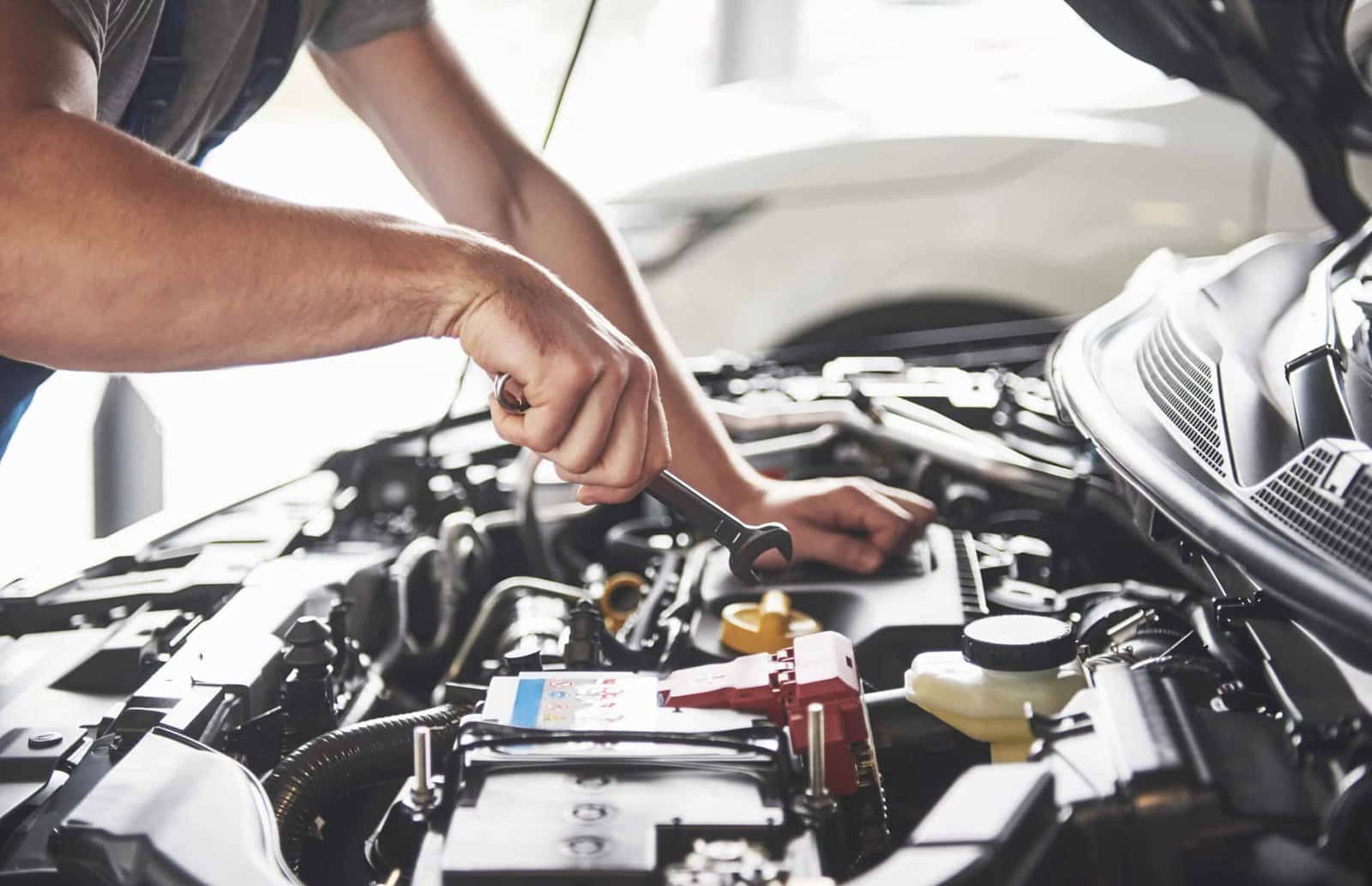
A complete brake service requires vehicle lifts, hydraulic jacks, torque wrenches, brake bleeder kits, pressure gauges, and diagnostic scanners. These tools allow technicians to inspect, repair, adjust, and test brake components safely and accurately.
Disc and Drum Service Tools
Disc and drum brakes require specialized equipment, including brake lathes, micrometers, caliper tools, and pad spreaders. These tools help technicians measure wear, resurface braking surfaces, replace components, and ensure proper alignment for reliable braking performance.
Diagnostic and Safety Equipment
Modern brake systems often include ABS and electronic controls, making diagnostic scanners essential for identifying faults. Safety equipment, proper lighting, cleaning tools, wheel chocks, and protective gear also help technicians complete brake services safely and efficiently.
The Payoff
Benefits of Our Full Brake Services
Our full brake services are designed to keep your vehicle safe, reliable, and performing at its best. We carefully inspect, repair, and maintain every essential braking component.
- Improved Braking Performance
- Complete Brake Inspection
- Reduced Wear and Damage
- Better Driving Confidence
- Professional Service
- Longer Brake Component Life
- Enhanced Safety
Local Knowledge
Local Full Brake Services in Minneapolis
When you need dependable full brake services in Minneapolis, professional care can help keep your vehicle safe and road-ready. A complete brake service includes a thorough inspection of brake pads, rotors, calipers, brake fluid, lines, and other important components. Experienced technicians can identify worn or damaged parts and recommend the right repairs or replacements. Local brake services also provide convenient maintenance for drivers who want reliable stopping performance and greater peace of mind.
Whether you notice unusual noises, vibrations, warning lights, or reduced braking power, getting your brakes inspected promptly can help prevent more serious problems and keep your vehicle performing safely.
Why Choose Our Service
Trusted by Minneapolis Drivers for Full Brake Services
Your brakes are essential to your safety. Our experienced team provides reliable brake inspections, repairs, and replacements to keep your vehicle stopping smoothly and confidently.
Brake Inspection
Complete brake system checks to identify wear, damage, and potential safety issues before they become costly repairs.
Brake Pad Replacement
Restore reliable stopping power with quality brake pads installed by experienced technicians.
Brake Rotor Service
We inspect, resurface, or replace worn brake rotors to help reduce vibration and ensure smooth braking.
Brake Caliper Repair
Address sticking, leaking, or damaged calipers to maintain even braking performance and vehicle control.
Brake Fluid Service
Keep your hydraulic brake system working properly with professional brake fluid inspection and service.
Complete Brake Repair
From unusual noises to reduced stopping power, we diagnose and repair brake problems from start to finish.
Service Area
Areas We Serve
Our Transmission Service in Minneapolis is intended for drivers throughout Minneapolis and nearby areas. Service availability can vary by vehicle and repair requirements.
✓ Downtown Minneapolis
✓ North Loop
✓ Northeast Minneapolis
✓ Longfellow
✓ Nokomis
✓ Powderhorn
✓ South Minneapolis
✓ Near North
✓ Southwest Minneapolis
✓ University area
If you are outside Minneapolis, contact us first to confirm service availability.
Brake Service Near Minneapolis
NorthSide Garage is located in Minneapolis at 211 26th Ave N.
If you are searching for full brake services in Minneapolis, brake inspection in Minneapolis, or complete brake repair, the shop’s published contact page provides current contact information and hours.
You can also review the shop’s broader complete auto service information before scheduling.
FAQ
Frequently Asked Questions
It can include inspection and repair of pads, shoes, rotors, drums, calipers, hardware, lines, hoses, and other brake components.
New noise, vibration, pulling, unusual pedal feel, warning lights, or reduced braking performance deserve attention.
Not always. The decision depends on component condition and vehicle requirements.
Several conditions can cause brake noise. An inspection is needed to identify the actual cause.
Grinding can indicate serious friction or component problems. Have the vehicle inspected promptly.
Brake problems can cause vibration, but other vehicle issues can also create similar symptoms.
A soft pedal can indicate a braking system concern. The vehicle should be inspected rather than diagnosed from the symptom alone.
Winter exposes vehicles to snow, moisture, changing temperatures, and road treatment materials. These conditions make regular vehicle inspection useful.
It depends on the vehicle, manufacturer recommendations, and fluid or system condition.
Do not ignore a brake warning light. Check your owner’s manual and seek professional advice, especially if braking performance has changed.