Exhaust System Service in Minneapolis
Exhaust System Service Minneapolis
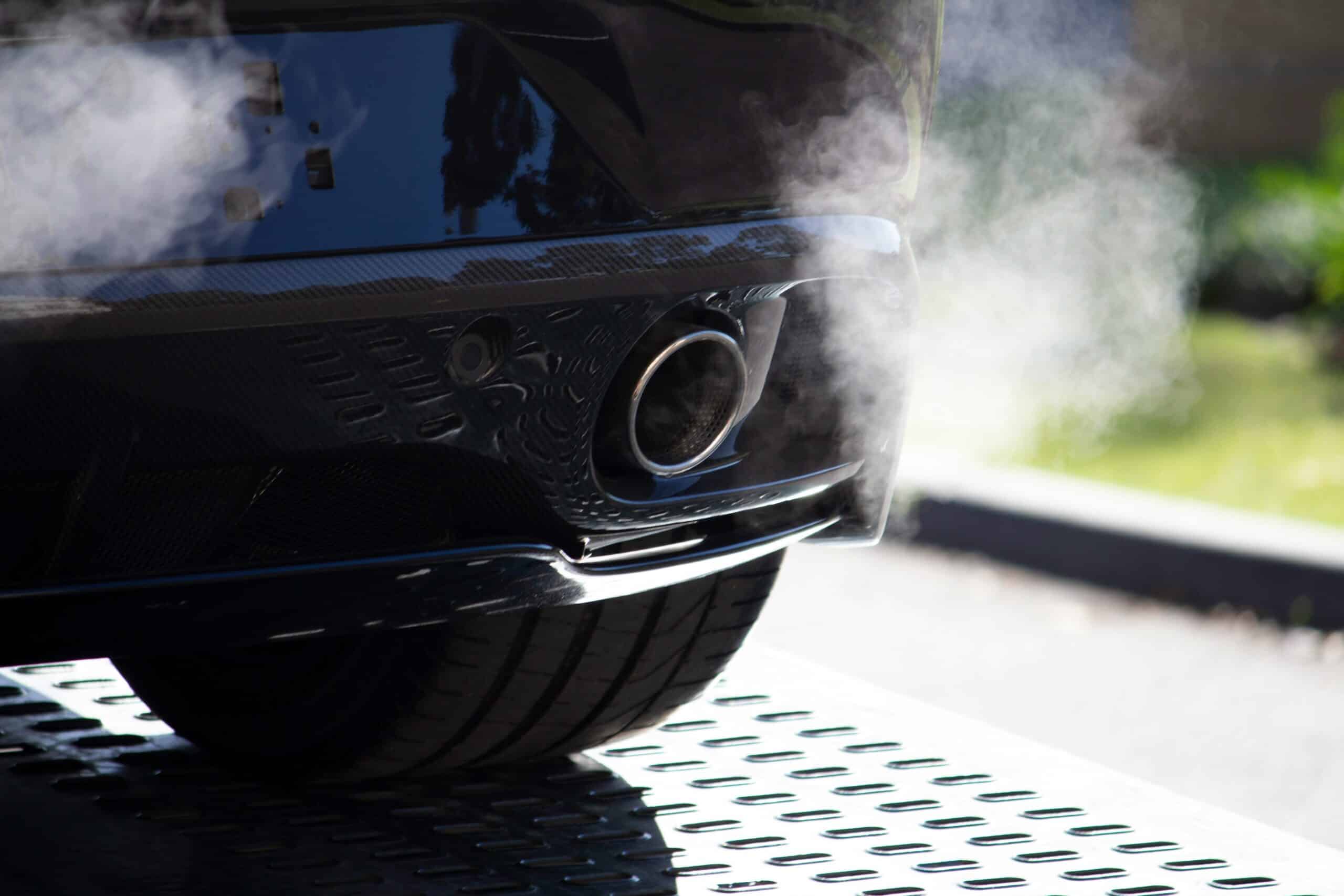
A noisy exhaust, rattling muffler, exhaust smell, or sudden change in engine sound deserves attention. We inspect pipes, mufflers, hangers, gaskets, resonators, and catalytic converters to find leaks, rust, cracks, or loose components. For Minneapolis drivers traveling Lake Street, Hiawatha Avenue, Nicollet Avenue, or around Uptown, small exhaust problems can become louder and more costly when ignored. Local road work, including current projects around Nicollet Avenue and Hiawatha, can also change daily driving routes. We focus on the actual fault, explain what needs attention, and avoid recommending parts that testing does not support. Whether you commute through South Minneapolis, visit the Midtown Greenway area, or drive toward Downtown, proper exhaust service helps keep your vehicle quieter, comfortable, and running as it should.
2001
SERVING MINNEAPOLIS SINCE
Exhaust Systems/Muffler Repair or Replacement
Muffler Repair
A rattling, roaring, or suddenly louder exhaust can point to a damaged muffler or loose connection. We inspect the muffler, pipes, hangers, and joints to locate the actual problem. Minnesota requires vehicles to have a working muffler, so repairs should restore proper operation rather than simply reduce noise temporarily.
Muffler Replacement
Some mufflers can be repaired, while severe rust, internal damage, or broken sections may call for replacement. We check surrounding components before installing anything. This matters for Minneapolis drivers traveling Lake Street, Nicollet Avenue, Hiawatha Avenue, or Downtown, where daily stop-and-go driving can make existing exhaust damage more noticeable over time.
Exhaust Pipe Repair
Cracked or rusted exhaust pipes can create leaks, louder engine noise, and unpleasant fumes. We inspect pipe sections, seams, flanges, and mounting points for damage. If you notice exhaust noise near Uptown, South Minneapolis, or the Midtown Greenway area, prompt inspection can prevent a small leak from becoming a larger repair.
Exhaust Hanger Repair
Broken exhaust hangers can let pipes or mufflers move, rattle, or strike the vehicle underneath. We check hanger locations and mounting points during exhaust inspection. Minneapolis road construction and changing routes around Nicollet Avenue can add plenty of vibration to daily driving, making loose exhaust components easier to notice.
Exhaust Leak Inspection
An exhaust leak may sound like ticking, hissing, or a louder-than-normal engine. It can also allow fumes where they should not be. We inspect joints, pipes, gaskets, and connections to locate the leak. Minnesota law requires exhaust equipment to prevent carbon monoxide from entering the vehicle interior.
Catalytic Converter Inspection
A catalytic converter problem can involve rattling, reduced performance, warning lights, or unusual exhaust behavior. We inspect the system before recommending replacement. Emissions equipment cannot simply be removed or bypassed. Minnesota specifically prohibits tampering with vehicle pollution-control equipment, making proper diagnosis important for both repair decisions and legal compliance.
Minneapolis Exhaust Service
Minneapolis driving brings its own challenges. Winter conditions, frequent stops, construction detours, and older road surfaces can expose weak exhaust components. If your route crosses Lake Street, Hiawatha Avenue, Nicollet Avenue, or Downtown, pay attention to new rattles, smells, and changes in exhaust sound. Early inspection can prevent bigger repairs.
Repair or Replacement?
Not every exhaust problem requires a complete replacement. We first identify the damaged component and assess its condition. A failed hanger, gasket, or small pipe section may need repair, while severe corrosion or internal muffler damage may justify replacement. The goal is a sound repair based on the actual condition.
Current Minneapolis Road Conditions
Nicollet Avenue is undergoing major construction, including work between Lake Street and Cecil Newman Lane and improvements around the Midtown Greenway. Traffic patterns continue changing during the project. Keeping your exhaust secure matters when daily routes involve detours, repeated stops, and slower traffic through active Minneapolis construction areas.
Diagnosis First
What are signs that you might need an exhaust or catalytic converter repair?
Loud or Changing Exhaust Noise
A sudden roar, hissing sound, ticking noise, or persistent rattle can point to an exhaust leak, damaged pipe, loose hanger, or failing muffler. A catalytic converter can also rattle when its internal material breaks apart.
Check Engine Light
A check engine light can appear when the vehicle detects an emissions-related problem. Oxygen sensors, fuel-system faults, ignition problems, and catalytic converter issues can trigger the light, so replacing the converter without diagnosis can waste money.
Loss of Power
Poor acceleration, sluggish response, or difficulty maintaining speed may indicate restricted exhaust flow. A damaged or blocked catalytic converter can create backpressure and affect engine performance. Proper testing helps confirm whether the converter is actually responsible.
Unusual Exhaust Smell
A strong or unusual exhaust odor can signal an exhaust leak or emissions problem. Never ignore fumes entering the cabin. Exhaust leaks can create a safety concern, particularly during Minneapolis winter driving when windows stay closed.
Poor Fuel Economy
A noticeable drop in fuel economy can accompany emissions or engine-control problems. The catalytic converter may not be the root cause. EPA guidance recommends checking other engine and emissions faults before condemning the converter.
Rattling Under the Vehicle
A metallic rattle underneath the vehicle can come from a loose heat shield, hanger, muffler, pipe, or catalytic converter. Diagnosis matters because several exhaust components can create similar sounds.
Minneapolis Drivers Should Pay Attention
If these symptoms appear while driving around Lake Street, Nicollet Avenue, Hiawatha Avenue, Uptown, or Downtown Minneapolis, have the exhaust checked before the problem grows. Early diagnosis can separate a simple exhaust repair from a more serious emissions issue.
Exhaust System Services We Can Help With
Our Exhaust System service can include:
✓ Exhaust system inspection and diagnosis
✓ Muffler repair or replacement
✓ Exhaust pipe repair or replacement
✓ Exhaust leak detection and repair
✓ Catalytic converter inspection
✓ Exhaust hanger and bracket repair
✓ Resonator inspection and replacement
✓ Gasket, flange, and connection repair
✓ Heat shield inspection and repair
✓ Exhaust system noise and rattle diagnosis
✓ Exhaust backpressure testing
✓ Emissions-related exhaust system diagnosis
The Basics
What Does a Transmission Actually Do?
Think of the transmission as the part that manages how engine power reaches the wheels.
Your engine produces power. The transmission uses different gear ratios to help the vehicle move from a stop, accelerate, cruise, and handle changing driving conditions.
Modern vehicles can use different transmission designs.
Automatic transmissions shift gears without direct driver input. Manual transmissions require the driver to operate the clutch and gear selector. Continuously variable transmissions use a different design to provide changing ratios rather than traditional fixed gears.
Each system has its own service requirements.
That means transmission fluid is not a universal one-size-fits-all situation. Fluid type and service recommendations vary by vehicle and transmission. Manufacturer guidance should be checked for the specific vehicle.
This is one reason we are careful about generic maintenance advice. What works for one vehicle may be wrong for another.
Warning Signs
Signs You May Need Exhaust System Service
Your vehicle often gives you clues.Pay attention to changes.Common warning signs
! Louder-than-normal exhaust noise
! Rattling beneath the vehicle
! Exhaust smells around the vehicle
! Exhaust fumes inside the cabin
! Unusual transmission noises
! Fluid leaking underneath the vehicle
! Burning smells
! A check engine light
! Reduced fuel economy
! Reduced engine performance
! A vehicle that refuses to move
NorthSide Garage lists these symptoms among its published warning signs for exhaust service in Minneapolis.Now, symptoms can overlap.
A check engine light does not automatically mean an exhaust component has failed. Rattling does not automatically mean the muffler needs replacement.
Fluid & Leaks
Transmission Fluid Service and Leaks
Transmission fluid does important work.
Depending on the transmission design, it helps lubricate components, transfer hydraulic pressure, and manage heat.
Over time, fluid can become degraded. A leak can also lower the fluid level.
Do not assume every transmission needs the same service interval.
Manufacturer recommendations vary by vehicle and transmission. Driving conditions can also affect service needs.
If you notice fluid underneath your vehicle, have the source checked. A leak can come from different seals, gaskets, lines, or other areas. Some leaks may be relatively straightforward to repair. Others can require more involved work.
The earlier the source is identified, the more clearly you can understand your options.
By Transmission Type
Automatic, Manual, and CVT Transmission Service
Automatic Transmission Service
Automatic transmissions contain many interacting components. Problems may involve shifting behavior, fluid condition, hydraulic operation, electronic controls, or internal components. A proper evaluation helps narrow down the cause.
Manual Transmission Service
Clutch operation, gear engagement, fluid condition, synchronizers, bearings, and other components can all affect how the vehicle shifts. Sometimes the transmission is blamed when the real issue involves the clutch or another related component. That distinction matters.
CVT Transmission Service
CVTs operate differently from traditional automatics, so service procedures and fluid requirements can be different. If your vehicle has a CVT, always use the correct fluid and follow the manufacturer’s service requirements.
What We Do
Our Services
01
Transmission Fluid Inspection & Replacement
Transmission fluid plays a big role in keeping your transmission cool and properly lubricated. We’ll inspect its condition and replace it with fresh fluid if it’s dirty, low, or past the recommended service interval.
02
Transmission Filter Replacement (Where Applicable)
Some vehicles have transmission filters that should be replaced during regular maintenance. A clean filter helps keep debris out of the transmission and allows fluid to circulate properly.
03
Leak Detection & Repair
Transmission fluid leaks can lead to serious damage if they’re ignored. We inspect the entire system to locate the source of the leak and repair it before it turns into a bigger problem.
04
Transmission System Diagnostics
If your transmission isn’t shifting smoothly or your check engine light has come on, we’ll perform a complete diagnostic inspection to identify what’s causing the issue.
05
Gear Shifting Performance Check
Hard shifts, delayed engagement, or slipping gears are signs that something isn’t right. We test your vehicle’s shifting performance and inspect the transmission to make sure it’s operating correctly.
06
Road Test & Final Inspection
Once the work is complete, we take your vehicle on a road test and perform a final inspection to confirm everything is working properly before handing you the keys.
07
Transmission Pan Gasket Replacement
A worn or damaged transmission pan gasket can cause fluid leaks that affect transmission performance. We replace faulty gaskets and ensure a secure seal to help prevent fluid loss and protect your transmission.
08
Transmission Cooler Line Inspection & Repair
Transmission cooler lines carry fluid between the transmission and the cooler to regulate temperature. We inspect the lines for leaks, corrosion, or damage and repair or replace them to help prevent overheating and extend transmission life.
How It Works
Our Exhaust Service Process
Usually, the process begins with the driver’s complaint.What changed?When did it start?Does the sound occur during acceleration?Does it happen over bumps?Is there a smell?Did a warning light appear?Those details can help narrow the problem.
🔍
01 · Inspect the Vehicle
The exhaust system and related components are examined for visible damage, corrosion, loose parts, and other concerns.
🧪
02 · Locate the Problem
If a leak or noise exists, the technician works to identify its source.The exact method can vary by vehicle and symptom
💬
03 · Explain the Repair
You should know what failed and why the repair is recommended.That conversation matters.
🔧
04 · Complete the Approved Repair
The repair should address the diagnosed problem and use components appropriate for the vehicle.
✅
05 · Inspect the Finished Work
The repaired system should be checked again.NorthSide Garage describes a final inspection and performance test after exhaust repairs.
Tools & Testing
Equipment and Diagnostic Technology
Modern transmission diagnosis often involves more than looking underneath the vehicle.
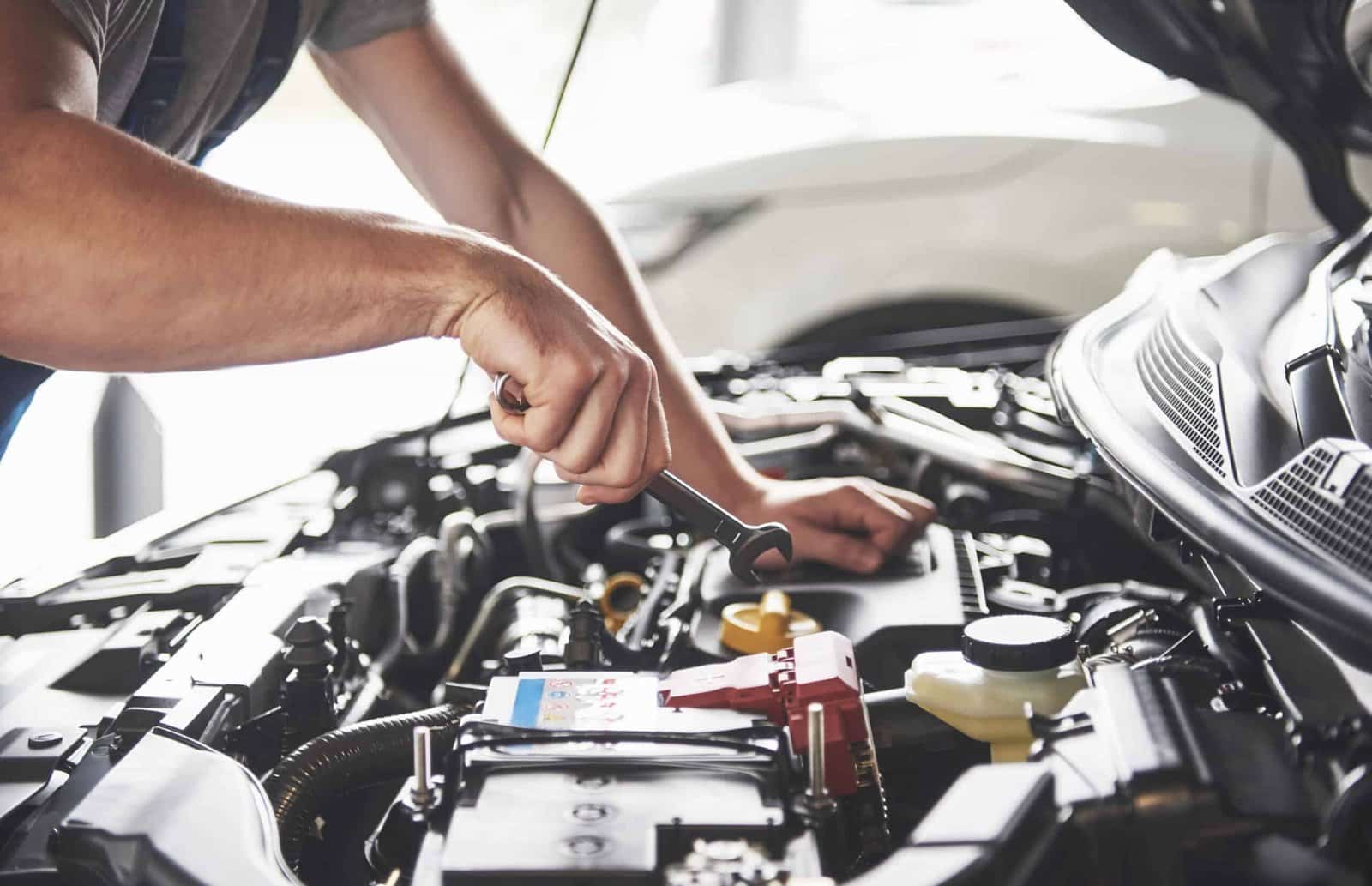
Diagnostic scan equipment can retrieve trouble codes and provide information from vehicle control modules. A technician may also use live data to understand how systems are operating.
A lift helps with inspection underneath the vehicle, allowing technicians to look for leaks, damaged components, and other visible problems. Fluid inspection can provide useful information too.
Depending on the vehicle, technicians may also evaluate transmission pressure, electrical signals, shift behavior, and related components.
There is no magic scanner that automatically tells you everything. The tool provides information — someone still has to understand what that information means. That part matters.
The Payoff
Benefits of Our Transmission Service
A well-maintained transmission delivers smoother shifting, better performance, and fewer surprises. Regular service protects one of the most expensive systems in your vehicle, and catching a problem early usually means smaller repairs and better options.
- Helps extend the life of your transmission
- Improves shifting performance
- Reduces wear on internal transmission components
- Helps prevent costly repairs down the road
- Keeps your vehicle running smoothly
- Identifies small issues before they become major problems
- Gives you added confidence behind the wheel
Timing Matters
Why Early Transmission Diagnosis Can Save Money
Transmission problems rarely become easier when ignored. A small leak can continue. Low fluid can contribute to poor operation. A shifting problem can become more noticeable. And a vehicle that is already struggling can leave you stranded at the worst possible time.
Minneapolis driving can also be demanding.
Winter conditions bring cold temperatures, snow, ice, and road salt. Road salt is known to contribute to vehicle corrosion, which is why underbody inspection and cleaning matter after salted road exposure.
Cold weather does not automatically mean your transmission is failing. Still, changing conditions can expose problems that were already developing.
If your vehicle suddenly starts behaving differently, getting it checked early gives you more options — and helps you make a better decision about whether to repair, rebuild, replace, or simply maintain the transmission.
Your Options
Repair, Rebuild, or Replacement?
This is probably the question customers ask most. “Well, which one do I need?” It depends.
Repair
A repair may make sense when the problem is limited to a specific component or an external issue such as a seal, line, or sensor.
Rebuild
A rebuild may be considered when internal transmission components have significant wear or damage but the unit is still a good candidate for service.
Replacement
Replacement can make sense when the existing unit is severely damaged, or when another option provides better overall value for the vehicle.
There is no universal answer. Vehicle age, condition, mileage, transmission design, parts availability, repair scope, and the vehicle’s overall value can all influence the decision.
Our advice is simple: do not choose based on price alone. Compare the repair scope, parts, labor, warranty terms, expected vehicle life, and overall condition of the vehicle.
Local Knowledge
Local Transmission Service in Minneapolis
Minneapolis is not one uniform driving environment. Someone commuting through Downtown Minneapolis may have a very different driving routine from someone in Nokomis or Longfellow.
The City of Minneapolis recognizes communities including Northeast, Longfellow, Nokomis, Powderhorn, Southwest, and Central. Traffic patterns, short trips, stop-and-go driving, highway use, and winter conditions all shape how a vehicle is used.
Drivers in Longfellow, for example, may have a mix of neighborhood streets and major routes. Nokomis includes areas such as Minnehaha, Keewaydin, Morris Park, and Wenonah. Northeast Minneapolis includes neighborhoods such as Audubon Park, Bottineau, Columbia Park, Logan Park, and Waite Park.
That local context matters when discussing vehicle symptoms. We also recommend paying attention to how your vehicle behaves during seasonal changes. A transmission that shifts normally in summer but behaves differently during cold starts deserves attention.
Not every seasonal change indicates a failure. Still, you shouldn’t dismiss a consistent change.
Why Choose Our Transmission Service
Trusted by Minneapolis Drivers for Honest Transmission Work
Transmission work requires patience. It also requires honest communication. We believe customers should understand what is happening before agreeing to major work — explained in normal language, with no pressure and no pretending that every transmission issue requires a replacement.
Honest Diagnosis First
We find the cause before recommending a repair. A scan result is useful, but it is not the entire diagnosis — further testing may still be needed.
Same-Day Service Available
Many transmission inspections and fluid services can be completed the same day, helping you get back behind the wheel faster.
Skilled Technicians
Our technicians have experience working on automatic and manual transmissions for a wide variety of makes and models.
Clear Options, No Pressure
We explain what we found, lay out the repair, rebuild, and replacement options, and give you a clear estimate before any work begins.
Quality Parts & Fluids
We use dependable replacement parts and manufacturer-approved fluids to help protect your transmission.
Schedule a Consultation
Our Minneapolis technicians are ready to inspect your transmission and recommend the right service for your vehicle.
Service Area
Areas We Serve
Our Transmission Service in Minneapolis is intended for drivers throughout Minneapolis and nearby areas. Service availability can vary by vehicle and repair requirements.
✓ Downtown Minneapolis
✓ North Loop
✓ Northeast Minneapolis
✓ Longfellow
✓ Nokomis
✓ Powderhorn
✓ South Minneapolis
✓ Near North
✓ Southwest Minneapolis
✓ University area
If you are outside Minneapolis, contact us first to confirm service availability.
Need Transmission Service in Minneapolis?
If your vehicle is shifting differently, leaking fluid, making unusual noises, or struggling to move, do not guess.
A proper diagnosis gives you information — and that information helps you decide what to do next. Schedule your transmission service today and get a clear assessment of what your vehicle needs.
FAQ
Frequently Asked Questions
Loud exhaust noise, rattling, unusual smells, warning lights, vibrations, and loose components can indicate an exhaust issue.
A damaged muffler, pipe, connection, or another exhaust component can change the sound. Inspection is the best way to identify the source.
It can, depending on where the leak occurs and how it affects the vehicle’s emissions system.
It is better to have it inspected promptly. Exhaust leaks can create safety concerns, especially if fumes enter the cabin.
No. Hangers, heat shields, resonators, mounting points, and other components can also create rattling.
Not necessarily. Proper diagnosis should determine whether the converter is actually the failed component.
Cold weather alone does not prove damage. However, winter driving conditions can expose existing weaknesses or contribute to underbody problems.
Sometimes. The repair depends on the location, severity, corrosion, and overall condition of the system.
It varies by vehicle and repair. A proper inspection should identify the needed work before a specific estimate is provided.
NorthSide Garage provides exhaust inspection and repair services at 211 26th Ave N, Minneapolis, MN 55411.